To estimate Sugargoo parcel weight from a spreadsheet, separate what you know from what you are guessing. A product research sheet may contain a category, listing image, selected size, and a seller link, but it rarely tells you the exact weight of the item that will reach a warehouse. Even a seller's stated weight may exclude a shoe box, tags, protective wrap, or the shipping carton. A useful estimate is therefore a range with clearly marked assumptions, not a single confident number. This guide shows how to build that range, replace guesses with warehouse measurements, and use the result to compare shipping routes without treating any estimate as a quote.
Build a parcel worksheet with evidence columns
Start one row per ordered item. Record the product link, category, chosen color and size, quantity, any packaging you want retained, and the source of every weight figure. Keep separate columns for seller-listed weight, warehouse item weight, and packed-parcel weight. Those numbers answer different questions. A listing estimate helps with early planning; a warehouse measurement describes the received piece; the packed weight reflects the parcel you actually intend to send. Never overwrite an earlier figure, because the difference between them can expose a missing box, extra accessories, or simply different measuring methods.
Add a confidence label beside each entry: measured, seller-stated, category estimate, or unknown. If a product has several variants, make sure the row corresponds to the version you ordered. A large outerwear size, a padded shoe, and a lightweight fabric top should not share a weight assumption merely because all appear in the same fashion spreadsheet. Quantity matters too: a two-piece set can arrive as one listing but contain multiple garments. Write a note when the listing title is ambiguous and confirm the contents from the order record or QC photos.
The worksheet becomes more useful when it also stores a decision date. Product pages and route rules can change. A weight copied months ago should not silently become the basis for today's parcel choice. Link back to the current product page, then revise the row when the warehouse provides new evidence. If you compare several potential purchases, keep unpurchased items in a separate planning section so they do not inflate the parcel total.
Turn item weights into a realistic range
Add the warehouse weights for items already received. For items still in transit to the warehouse, use a provisional range based on the best available description and mark it as provisional. Then make a separate allowance for the outer carton, cushioning, and any original packaging you choose to keep. The allowance should be explicit rather than hidden inside an invented product weight. A shoe box may protect a pair and preserve presentation, but it also changes both mass and volume. A structured jacket or thick hoodie may compress differently from a rigid object.
Write the calculation in a way you can audit: sum of measured items, plus provisional items, plus packing allowance. Create a lower and an upper scenario rather than rounding everything toward the middle. The upper scenario is not a prediction; it is a reminder that the final parcel may cross a route's weight or dimension threshold. If you plan to remove boxes, calculate a second scenario that states exactly which boxes are removed. Do not assume removal is always safe. Some products are easier to crease or damage without structure, and some buyers value the original packaging.
Weight is not the only dimension of the problem. Carriers may use actual weight, dimensional weight, or a route-specific chargeable-weight rule. Dimensional weight depends on the packed parcel's length, width, and height, not the dimensions of individual items laid flat. A bulky but light coat can therefore affect the shipping calculation differently from a compact dense garment. Do not apply a generic divisor from an old article to every route. Use the formula currently shown for the specific route and destination, and wait for packed dimensions when the decision is close.
Use QC and sizing checks to catch bad assumptions
A surprising weight difference is a prompt to inspect the item, not proof of a problem by itself. Compare the order variant, quantity, and visible contents with the warehouse QC photos. Check for a box, detachable lining, extra strap, or accessories that may explain the difference. If a pair of shoes appears to be photographed without its box, ask whether the recorded weight includes it before calculating a boxed parcel. If a set seems lighter than expected, confirm that both pieces arrived. Keep the question specific so the agent can answer from the received goods.
Size selection can change an estimate and, more importantly, determine whether the purchase is worth shipping. Check the size label against the order, then compare available garment measurements with an item you already own. For a hoodie, chest width, shoulder, sleeve, and body length are more informative than a letter size alone. For shoes, an insole measurement may help, but it cannot establish comfort or toe-box shape. If you request a measurement photo, note which dimension you need and how the tape should be placed. Resolve a meaningful size mismatch before the parcel is submitted; a more accurate weight calculation will not fix an unusable fit.
Inspect visible condition at the same time. Look for stains, seam issues, uneven hardware, and obvious damage, while acknowledging the limits of lighting and image resolution. If a photo is unclear, request a closer view instead of treating an absence of evidence as a clean bill of health. Your worksheet can include a simple QC status such as reviewed, question pending, or do not ship yet. That status keeps a ready-to-pack item from being mixed with one that still needs a seller or warehouse response.
Compare shipping routes using the same parcel assumptions
Once the item list is stable, enter the same provisional packed weight and dimensions into each eligible route comparison. Check that the route actually serves your destination and accepts the contents. Restrictions may depend on material, batteries, liquids, branding, dimensions, or local import requirements. A route offered for one combination of goods may not be offered after you add another item. Use current checkout information, and ask the agent when a category is unclear. Do not change the description of goods merely to make a route appear available.
Compare more than the displayed estimate. Note how chargeable weight is determined, what tracking is provided, what compensation conditions apply, and whether a packaging choice changes eligibility. Transit ranges are estimates, not delivery promises. Customs processing and carrier handoffs can introduce uncertainty that a spreadsheet cannot remove. A cheaper route may be reasonable for one parcel and unsuitable for another; a more expensive route does not automatically guarantee better handling. Choose based on the actual contents, destination, and level of risk you can accept.
If the service offers a packing rehearsal or a measured parcel preview, use it when your calculation sits near a route limit. Replace the provisional figures with the measured packed weight and dimensions, then compare again. Save a copy of the route terms you relied on, because the final payable amount and available methods can change before dispatch. Declare the contents accurately and follow the applicable import requirements for your destination.
Make the final shipping note actionable
Before approving shipment, summarize the final item count, confirmed variants, QC questions resolved, measured weight, packed dimensions, retained packaging, and selected route. Highlight any difference from the original worksheet. For example, if the warehouse removed a shoe box at your request, record that before you compare the final chargeable weight with the earlier boxed scenario. If a jacket's size measurement remains uncertain, decide explicitly whether to wait rather than letting the parcel proceed by default.
The best spreadsheet is a record of decisions, not a promise of precision. Its early estimates help you avoid surprises, warehouse data narrows the range, and packed-parcel details support the final route choice. Recheck the product links below for current variants and availability, then keep the order record and your shipping notes together. When the evidence changes, update the calculation instead of defending the first number you wrote down.
Current product references to compare
These live OutfitReps references are starting points for research. Recheck availability, variants, images, and measurements before ordering.


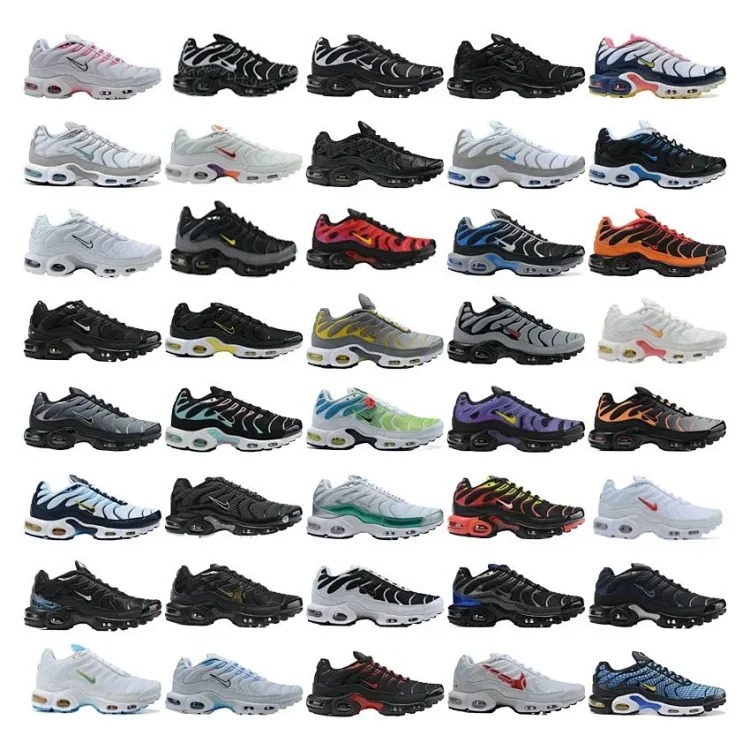
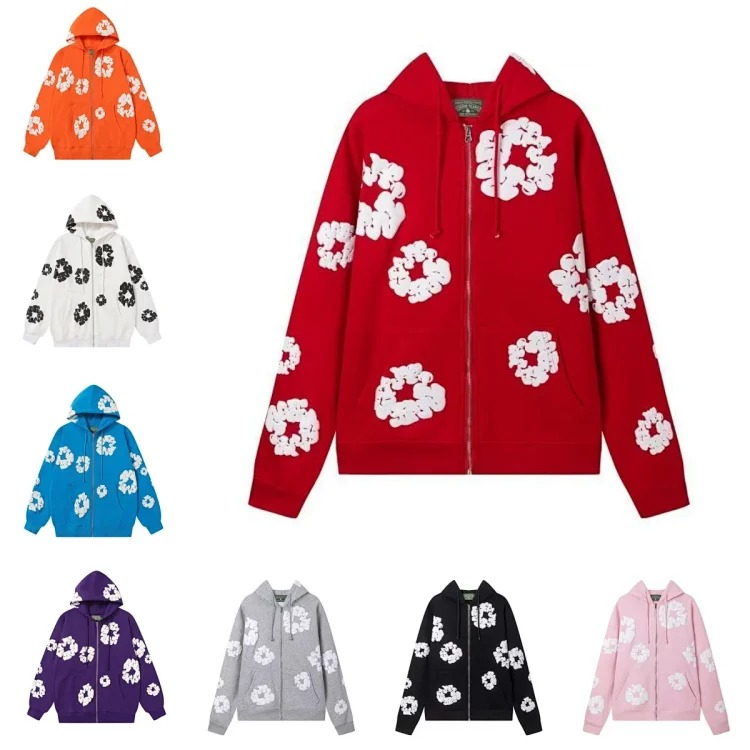
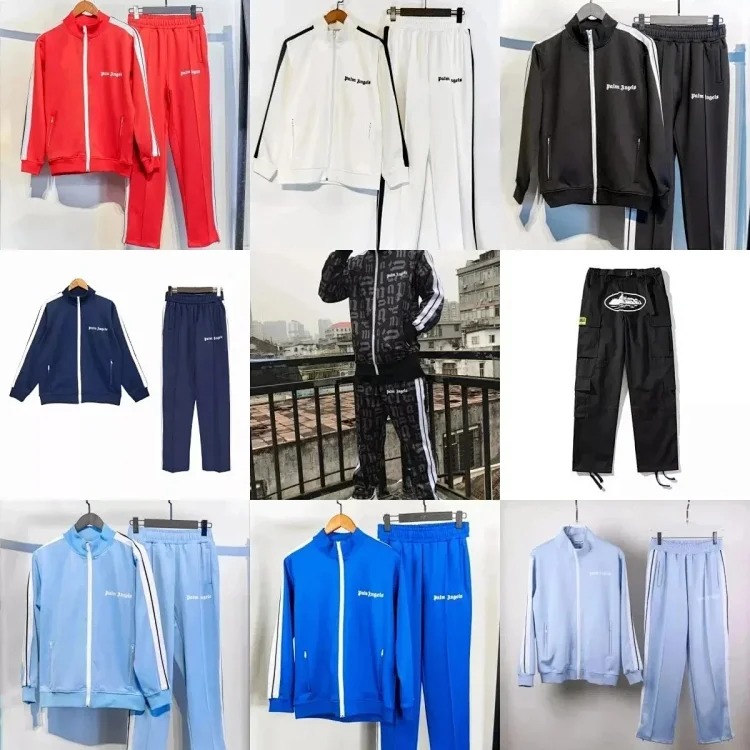
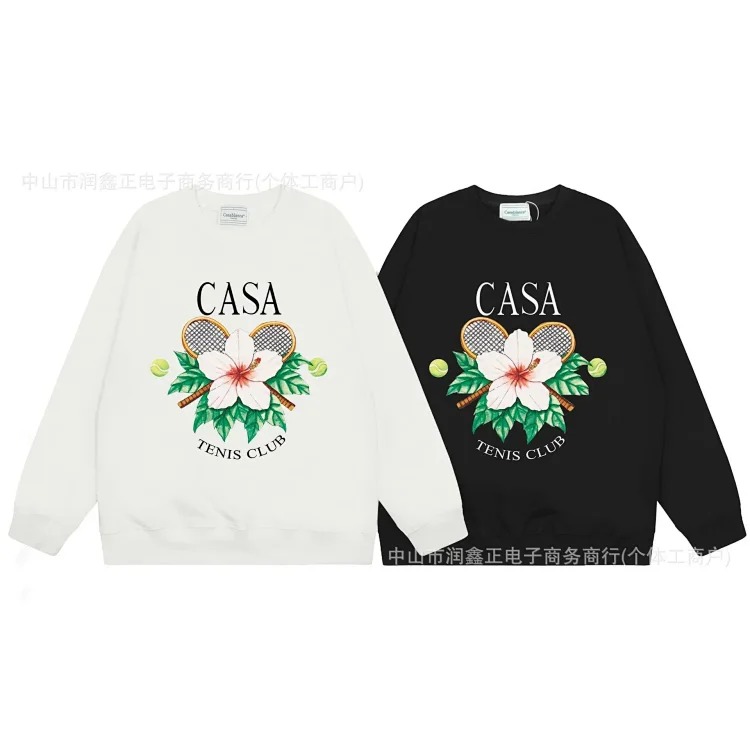
2024 new autumn and winter sweatshirt printed pure cotton loose sweatshirt-CY
Check current product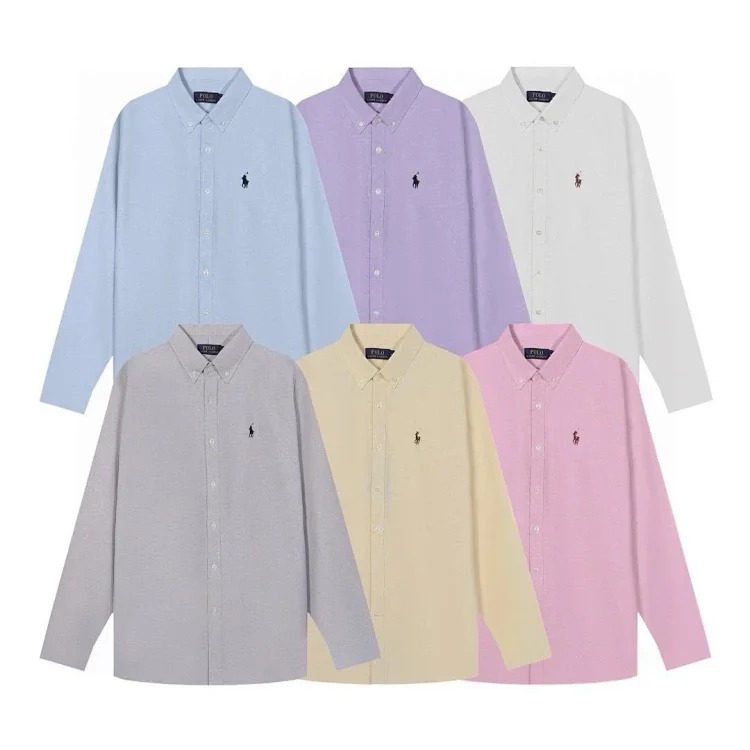
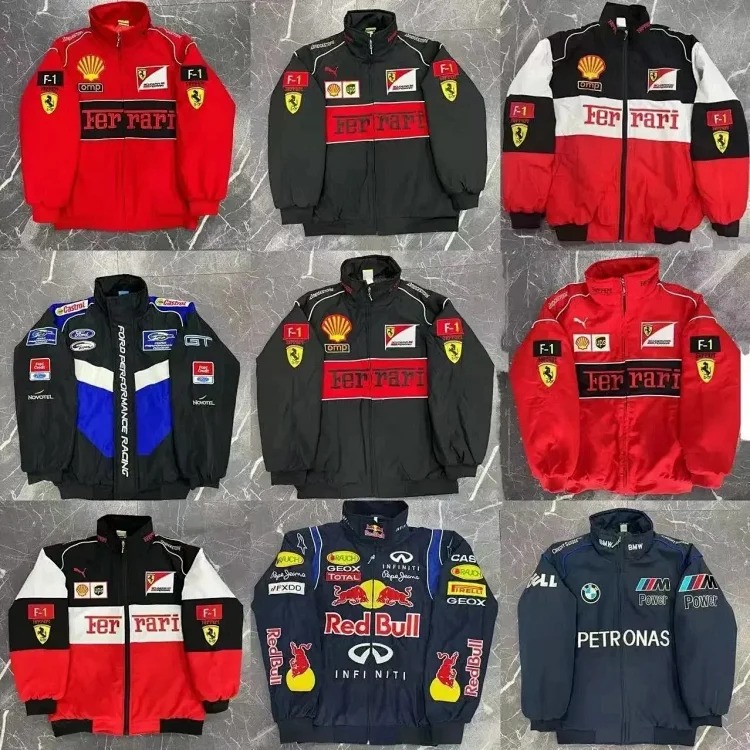
Final check: Do not approve a parcel until the item, variant, quantity, warehouse photos, measured weight, and route restrictions match your plan.