Read the spreadsheet as a shortlist, not a promise
Learning how to use a Sugargoo spreadsheet starts before you click any buy link. Treat each row as a research lead: it can help you compare a product type, seller listing, color, and possible size, but it cannot confirm what is currently in stock or what will arrive at the warehouse. Begin by writing down what you actually need. A useful note might say “midweight dark hoodie, relaxed shoulders, no large back print” rather than simply “hoodie.” That short specification gives you a consistent standard when several appealing rows compete for attention.
Scan the sheet for the product title, category, thumbnail, source link, and any notes supplied by the curator. Then open several relevant detail pages in separate tabs and compare them. Check whether the title, images, and available variants describe the same item shown in the spreadsheet. Listings can change, and a seller may reuse a page, so a familiar thumbnail is not enough. If the page is unavailable, unclear, or materially different from the sheet, remove it from your shortlist instead of trying to rationalize the mismatch.
Create a simple candidate log with the link, intended variant, size-chart source, questions, and a “do not order until” field. Record uncertainties such as missing fabric information, inconsistent color names, or a chart that lacks garment measurements. This turns an attractive collection of links into a decision process. The OutfitReps references below are best used in exactly this way: compare several current product pages, identify the information each one provides, and keep only candidates you can verify well enough to inspect later.
Plan QC checks before submitting the order
Quality control is more useful when you define pass and fail conditions before the item reaches the warehouse. Save the seller’s key listing images and note the exact color, size, and design details you selected. For a T-shirt or hoodie, specify that the warehouse photos should show the full front, full back, neck area, cuffs, hem, print or embroidery, and the size tag. For shoes, ask to see both lateral sides, both heels, toe shape, soles, tongue labels, and the size markings on the item and box when present.
When QC photos arrive, first confirm identity rather than judging tiny details. Match the item category, color, quantity, and selected variant to the order record. Next check construction: look for visibly uneven seams, open stitching, stains, holes, crooked graphics, inconsistent panel shapes, or obvious damage from packing. Lighting and camera angle can alter color, so use multiple images before deciding that a shade is wrong. A compressed photo also cannot prove fabric quality, long-term durability, or authenticity.
If a critical area is hidden or too blurry, request one focused photo or measurement instead of making a broad complaint. Give a precise instruction such as “measure the chest width flat from armpit to armpit” or “photograph the heel stitching straight on.” Keep the request tied to a decision you can make. A minor loose thread may be acceptable; a wrong size tag or a graphic placed far off center may not be. Decide your tolerance in advance, because warehouse approval should be based on your intended use, not on excitement that the item has arrived.
Choose size from measurements, not labels
Spreadsheet size labels are navigation aids, not a universal fit system. Ignore assumptions based on the letter alone. Find the product page’s measurement chart and identify whether its numbers describe the garment or the wearer. Then measure a similar item you already own while it lies flat. For tops, the most useful starting points are chest width, shoulder width, body length, and sleeve length. For trousers, compare waist, rise, thigh, inseam, and leg opening. For footwear, prioritize the seller’s stated internal length or foot-length guidance when available.
Compare like with like. A flat chest width is not the same as a body circumference, and an elastic waistband range is not a fixed waist measurement. Allow room for the silhouette you want: a fitted tee, relaxed hoodie, and layering jacket should not all match the same garment width. Also consider the thickest layer you expect underneath. If your own reference piece measures between two chart sizes, examine the other dimensions rather than automatically sizing up. A larger chest may also introduce shoulders or sleeves that are too long.
Use QC measurement requests for the dimensions that could change your decision. Warehouse staff may measure from slightly different points, so a small difference is not automatically a defect. Compare the photo of the tape placement with the chart and your reference garment. Keep a personal fit log after successful purchases, including the garment’s measured dimensions and how it feels on you. That record becomes more dependable than generic size advice when you review future spreadsheet finds.
Estimate parcel weight before choosing a route
Do not treat a spreadsheet image as a weight estimate. Start with a range based on item type, material, size, hardware, and packaging, while recognizing that the warehouse measurement is the value that matters. A light top and a fleece hoodie have very different packing profiles; shoes may add a box and rigid volume; trousers with heavy fabric or metal details may weigh more than their appearance suggests. Record a low and high estimate for each candidate so that one optimistic assumption does not determine your budget.
Add the item ranges, then include an allowance for mailers, cartons, protective material, and any packaging you intend to keep. Weight alone may not control the charge. Some routes compare actual weight with volumetric weight, which reflects the parcel’s dimensions. Bulky footwear boxes and loosely packed outerwear can therefore affect the bill more than a scale-only estimate suggests. If original packaging is not important to you, consider whether removal is appropriate, but do not request it when the box protects the product or matters for your intended use.
Wait for warehouse weights before final route selection. If rehearsal or pre-packing is available in your workflow, use it to see how consolidation and packaging choices change the parcel. Split items when a combined parcel would exceed a route limit, mix restricted and unrestricted goods poorly, or create a box whose volume is inefficient. Consolidate when the items are compatible and the packed result fits a sensible route. The goal is not the fewest parcels; it is a parcel plan with understood weight, dimensions, protection, and eligibility.
Match the shipping route to the actual parcel
Route names are less important than current route rules. After QC approval and packing estimates, compare only lines that accept the destination, product category, parcel weight, dimensions, and any sensitive attributes declared for the goods. Read the route’s current shipping notes inside Sugargoo, including prohibited-item rules, declaration requirements, tracking coverage, compensation terms, and packaging restrictions. These conditions can change, so recheck them at submission rather than relying on an old guide or screenshot.
Evaluate trade-offs instead of searching for a universally “best” line. One route may suit a compact clothing parcel, while another may handle a larger mixed parcel or destination more appropriately. Consider how tracking is handed between carriers, whether the delivery address format is supported, what documentation is required, and what protection options are available. Do not assume an estimated window is a guarantee. Customs review, carrier congestion, weather, local delivery practices, and incomplete address details can all affect a shipment.
Before paying for international shipping, perform one final reconciliation. Confirm every item and quantity, accepted QC result, requested packaging change, measured weight, parcel dimensions, delivery address, contact details, declaration, route eligibility, and insurance or protection choice. Save the order summary and parcel number. When you follow this sequence, the spreadsheet does its proper job: it helps you discover and organize candidates, while measurements, warehouse evidence, and live shipping rules control the purchase decision.
Current product references to compare
These live OutfitReps references are starting points for research. Recheck availability, variants, images, and measurements before ordering.
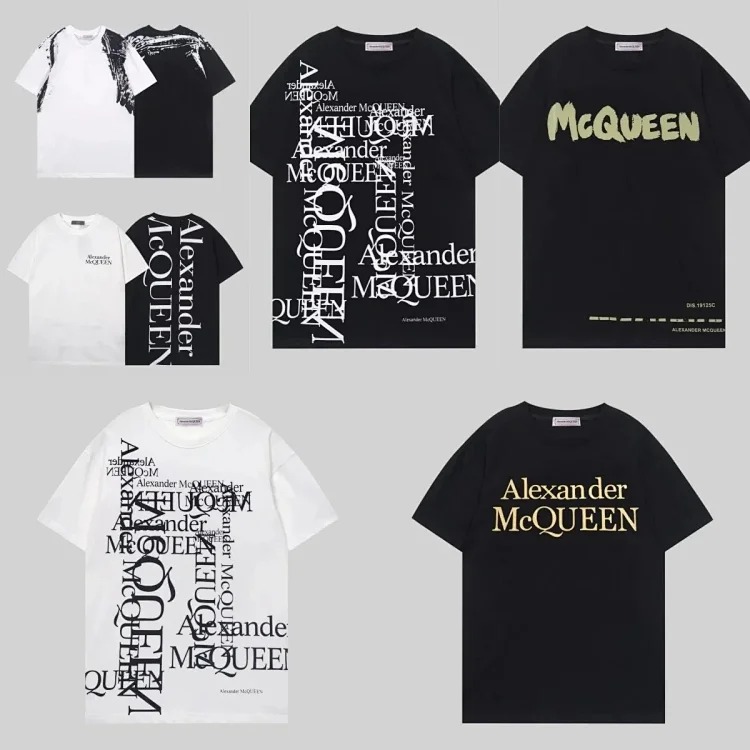
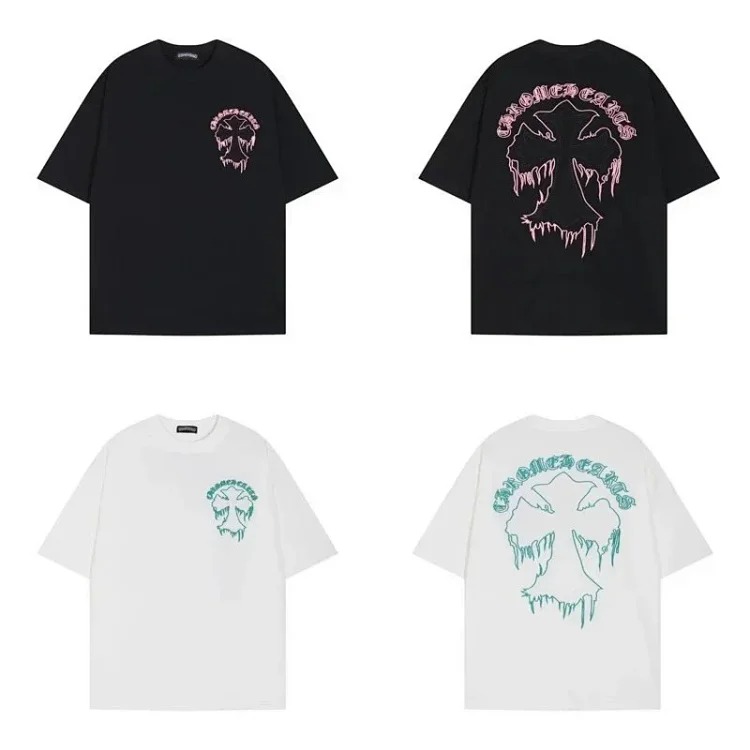
Summer short-sleeved European and American street half-sleeved T-shirt series for men and
Check current product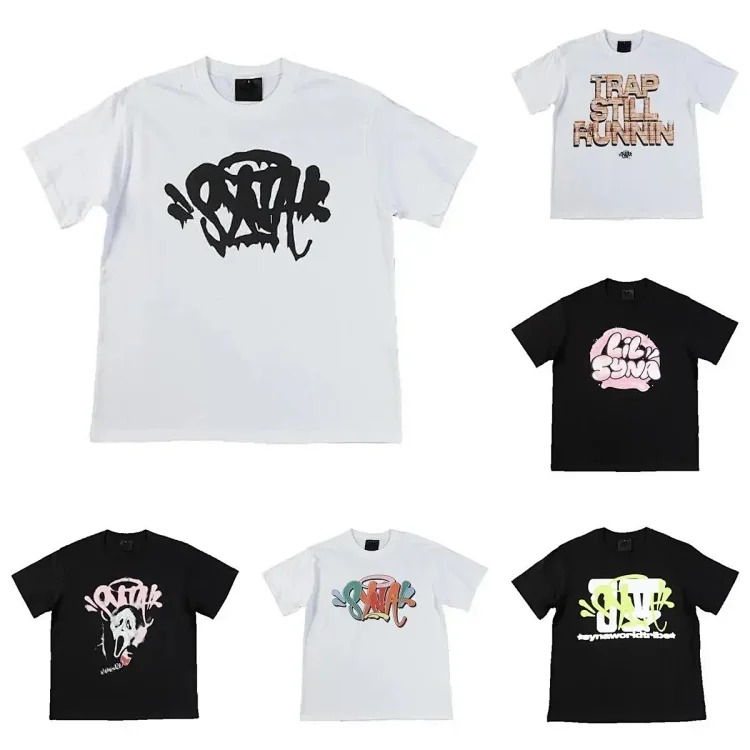
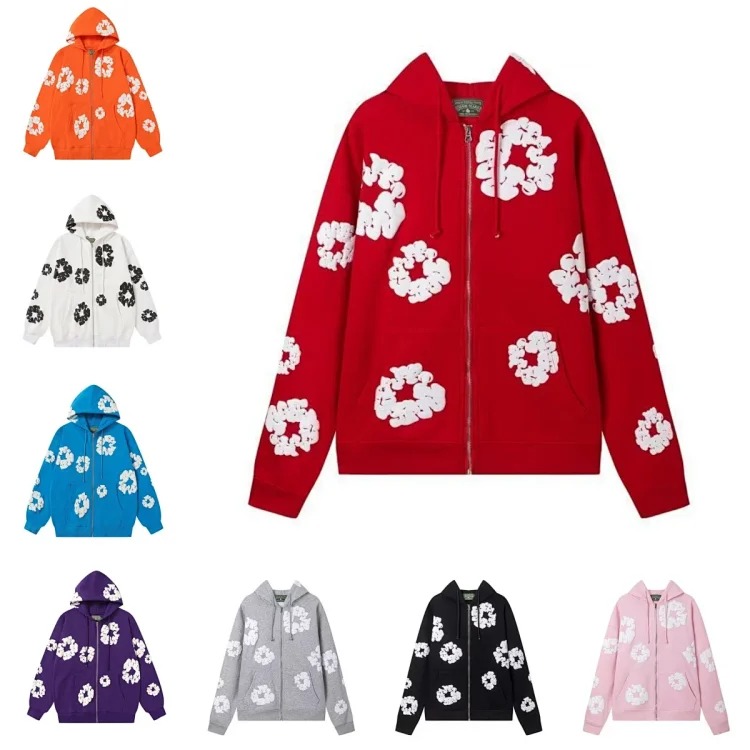
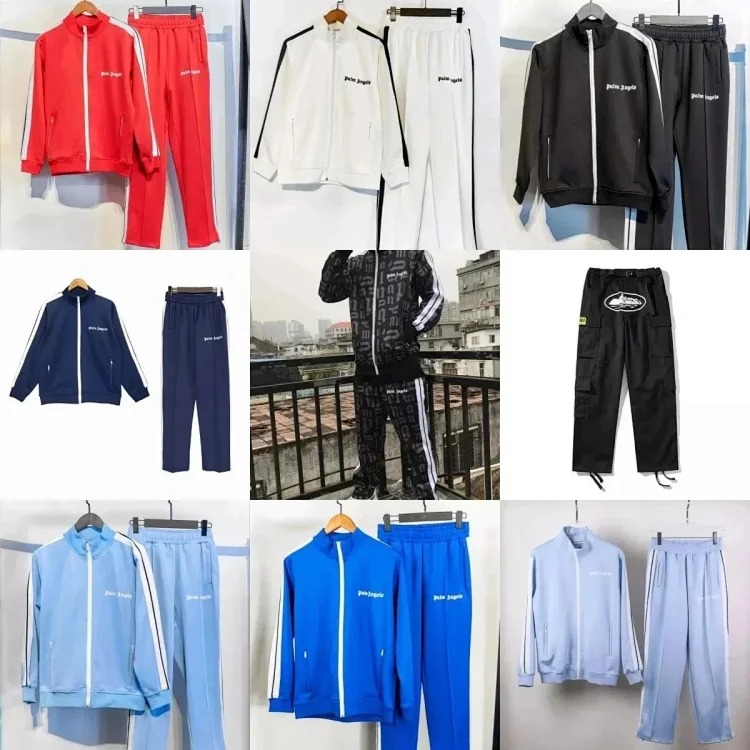
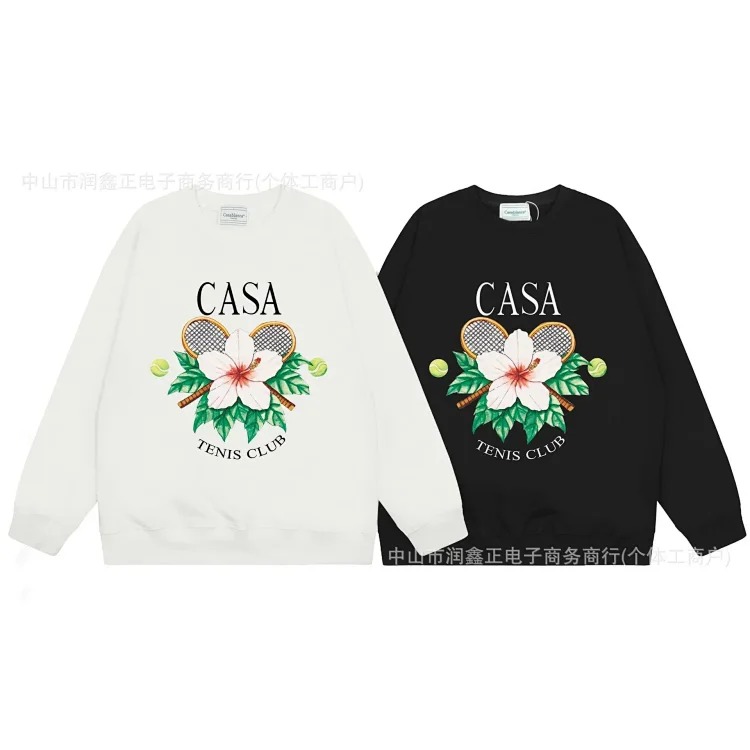
2024 new autumn and winter sweatshirt printed pure cotton loose sweatshirt-CY
Check current product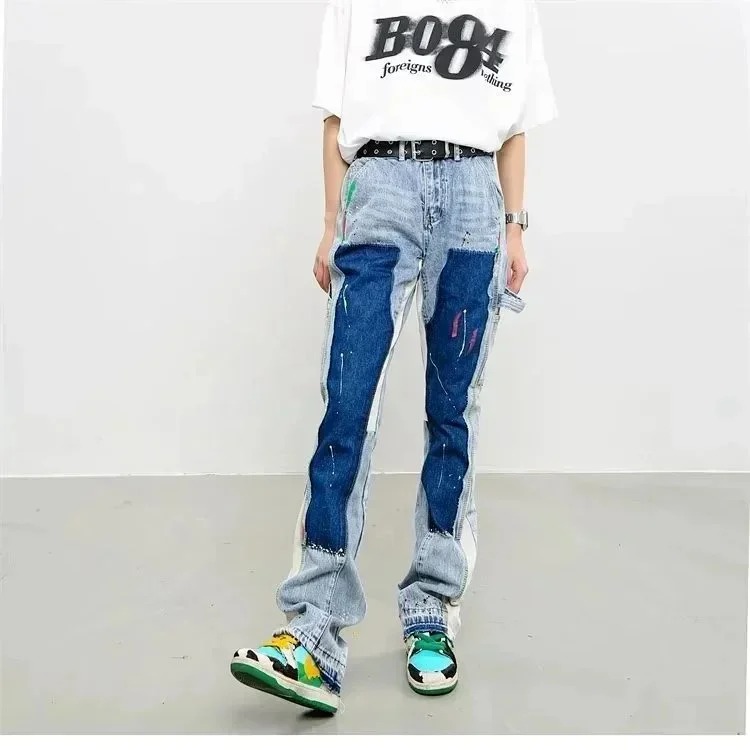
Final check: Do not approve a parcel until the item, variant, quantity, warehouse photos, measured weight, and route restrictions match your plan.